


After a person passes away, there is generally someone listed in their Will that is responsible for working with probate court. That person is responsible for distributing the estate and funds. This endeavor is a complicated process, and an attorney can help you understand the legalities of the process.
At the JEFFREY BURR Law Firm, we help you to understand how to navigate the probate process as seamlessly as possible. We can help you determine which type of probate proceeding is necessary and assist you with completing the process. Our Las Vegas probate attorneys oversee the probate resolution process from start to finish.
Probate can be an emotional, time-consuming and expensive process, especially if the decedent did not have a Will or had a poorly drafted Will that is difficult to interpret. You can rely on our over 40 years' legal experience to guide you through this process and assist at every step including:
We look forward to serving you and carrying the legal burden as you focus on other personal family matters that need your attention in this time of grief.
Probate is the court-supervised legal process of settling a deceased person's estate. It involves validating the will (if one exists), identifying and appraising assets, paying outstanding debts and taxes, and distributing remaining property to the rightful beneficiaries. In Nevada, probate cases are handled by the Eighth Judicial District Court in Clark County.
If the decedent had a valid will, the probate court ensures the will's instructions are followed. If the decedent died without a will (intestate), Nevada's intestacy statutes under NRS Chapter 134 determine who inherits. In either case, probate provides legal oversight to ensure creditors are paid, disputes are resolved, and assets are transferred according to law.
Not every estate requires probate. Nevada offers simplified procedures for smaller estates, and assets held in a revocable living trust, joint tenancy, or with designated beneficiaries typically pass outside of probate entirely. Understanding when probate is required and when it can be avoided is one of the most valuable things an experienced attorney can help you determine.

The Nevada probate process follows a structured sequence governed by NRS Chapter 136 through NRS Chapter 156. While every estate is different, the general steps are consistent.
Probate begins when a family member, executor named in the will, or another interested party files a petition with the Clark County District Court. The petition asks the court to open the estate and appoint a personal representative (also called an executor or administrator) to manage the process. If there is a will, it is filed along with the petition.
Once the court appoints a personal representative, Nevada law requires that notice be published in a local newspaper and mailed to known creditors and heirs. Under NRS 147.040, creditors have 90 days from the first publication to file claims against the estate. This notice period is one of the shorter windows in the country and helps move Nevada probate cases along faster than in many other states.
The personal representative is responsible for identifying all estate assets, having them appraised if necessary, and filing an inventory with the court within 60 days of appointment. This includes real estate, bank accounts, investment accounts, vehicles, personal property, and any business interests.
The personal representative uses estate assets to pay valid creditor claims, outstanding bills, and any federal or state taxes owed. Nevada does not impose a state estate tax or inheritance tax, which simplifies the tax portion of the process for most estates.
After all debts are paid and the creditor notice period has expired, the personal representative petitions the court for authority to distribute the remaining assets to the beneficiaries. Once the court approves the final accounting and distribution, the estate is formally closed.
The duration of probate in Nevada depends on the complexity of the estate, whether any disputes arise, and how efficiently the personal representative manages the process. A straightforward estate with no contested claims can typically be completed in four to six months. More complex estates involving real estate in multiple states, business interests, disputed claims, or will contests may take a year or longer.
Nevada's 90-day creditor notice period sets a minimum floor for the timeline. No estate can be fully closed until that period has elapsed. However, experienced probate attorneys can work to resolve other aspects of the case in parallel, keeping the overall timeline as short as possible.
At JEFFREY BURR Law Firm, our attorneys have managed thousands of probate cases in Clark County and understand how to avoid the procedural delays that commonly slow the process down. We file documents promptly, communicate proactively with the court, and resolve creditor claims efficiently so your family can move forward.
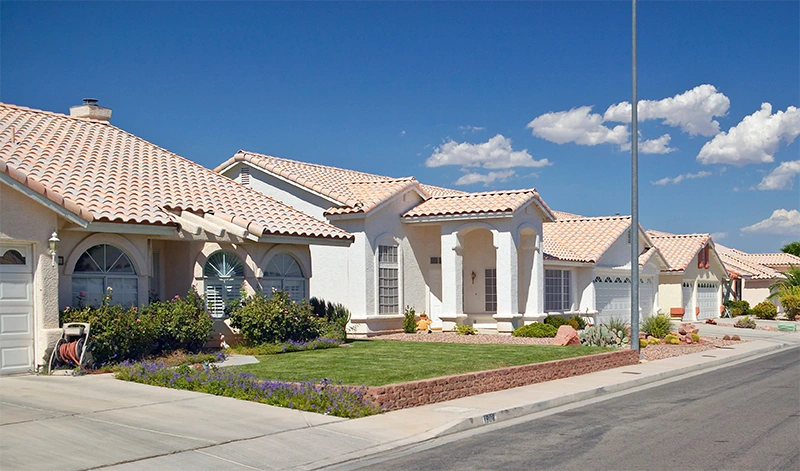
Probate is generally required when a decedent owned assets solely in their own name that do not have a designated beneficiary, a transfer-on-death designation, or a joint tenancy arrangement. The most common asset that triggers probate is real estate titled in the decedent's individual name.
Probate is typically NOT required for assets held in a revocable living trust, life insurance proceeds with a named beneficiary, retirement accounts (IRAs, 401(k)s) with a named beneficiary, bank accounts with payable-on-death (POD) designations, securities with transfer-on-death (TOD) registrations, and property held in joint tenancy with right of survivorship.
Nevada offers simplified alternatives to full probate for smaller estates. Under NRS 146.080, if the total value of the estate’s personal property (excluding real estate) is $25,000 or less, the estate may qualify for a small estate affidavit. This allows heirs to collect assets without opening a probate case. For estates valued at less than $150,000, a Set Aside can be filed with the court, and for estates valued at $500,000 or less (including real property), Nevada offers a summary administration procedure under NRS 145.040 that significantly simplifies and shortens the process. These simplified procedures can save families significant time and legal costs when the estate qualifies.
Nevada's probate laws include several provisions that distinguish it from other states and can benefit families navigating the process.
Nevada does not impose a state estate tax or inheritance tax. While the federal estate tax still applies to estates exceeding the federal exemption (currently $15 million per individual in 2026), Nevada residents are not subject to any additional state-level death taxes. This is a meaningful advantage compared to states like Oregon, Massachusetts, and Washington that impose their own estate taxes with much lower exemption thresholds.
Nevada's 90-day window for creditors to file claims against an estate (NRS 147.040) is one of the shortest in the nation. Many states allow creditors six months or even longer. The shorter period helps move Nevada probate cases toward resolution faster.
Nevada is a community property state, which means that property acquired during marriage is generally owned equally by both spouses. When one spouse dies, their half of the community property is subject to probate unless it has been placed in a trust or has another transfer mechanism in place. Understanding how community property interacts with probate is essential for married couples planning their estates in Nevada.
Nevada allows personal representatives to petition for independent administration under NRS 143.300, which grants broader authority to manage estate assets, sell property, and settle claims without requiring court approval for every individual action. Independent administration can significantly reduce the time and cost of probate by minimizing the number of required court hearings.
Unlike some states that require the personal representative to be a state resident, Nevada allows non-residents to serve as personal representatives. This provides flexibility for families where the most appropriate person to manage the estate lives in another state.
While probate serves an important legal function, many families prefer to avoid it when possible. Probate is a public process, takes several months at minimum, and involves court filing fees and attorney costs. Nevada law provides several effective strategies for keeping assets out of probate.
The most comprehensive way to avoid probate in Nevada is to establish a revocable living trust and transfer your assets into the trust during your lifetime. Assets held in a properly funded trust pass directly to your beneficiaries without court involvement. A revocable living trust also provides privacy, since trust distributions are not part of the public record, and allows for seamless management of your assets if you become incapacitated.
Life insurance policies, retirement accounts, and certain bank and investment accounts allow you to name a beneficiary who receives the asset directly upon your death. These designations override your will, so it is critical to keep them updated and consistent with your overall estate plan.
Property held in joint tenancy with right of survivorship passes automatically to the surviving owner without probate. Married couples in Nevada can also hold property as community property with right of survivorship, which provides the same probate avoidance benefit along with favorable tax treatment (a full step-up in basis on both halves of the property at the first spouse's death).
Nevada allows transfer-on-death (TOD) designations on securities and beneficiary deeds on real property under NRS 111.109. Payable-on-death (POD) designations can be added to bank accounts. These registrations allow assets to pass directly to named beneficiaries without probate.
The most effective approach to probate avoidance is typically a combination of these strategies, coordinated by an attorney who ensures all assets are properly titled and all designations are current. At the Jeffrey Burr Law Firm, we help clients build comprehensive estate plans designed to keep their families out of probate court.
Probate requires an attorney who understands Nevada law, moves efficiently through the court system, and communicates clearly with grieving families during a difficult time. At the JEFFREY BURR Law Firm, our attorneys focus exclusively on estate planning, trusts, and probate. This specialization means we handle probate cases every day, not as a side practice.
For more than 40 years, we have guided families across Southern Nevada through the probate process. We understand the Clark County District Court's procedures, filing requirements, and timelines. We maintain a 4.6-star Google rating, and our clients consistently cite our compassion, thoroughness, accessibility, and practical approach as the reasons they recommend our firm.
Whether you are a personal representative navigating probate for the first time, a beneficiary with questions about your rights, or a family dealing with a contested estate, our attorneys are here to help. We offer consultations at both our Las Vegas and Henderson offices.

"*" indicates required fields

"*" indicates required fields